Cement, the fine grey powder that binds together sand, gravel, and water to form concrete, is the bedrock of modern construction. Yet, the journey from raw materials to this ubiquitous building material is a complex process involving chemical transformations at high temperatures.
At the heart of this process lies clinker, an intermediary product that is often overshadowed by its more well-known descendant, cement. While both are critical components in the production of concrete, understanding the nuanced differences between clinker and cement is crucial for anyone involved in the construction industry, from engineers and architects to manufacturers and regulators.
This comprehensive exploration delves into the compositions, manufacturing processes, properties, applications, and environmental impact of both clinker and cement, providing a detailed comparison that highlights their distinct roles in shaping the world around us.
What is Clinker? The Foundation of Cement
Clinker is essentially the partially fused intermediate product in the manufacture of cement. It is produced by heating a precisely controlled mixture of raw materials, primarily limestone (calcium carbonate), silica, alumina, and iron oxide, to a sintering temperature of approximately 1450°C (2640°F) in a cement kiln. This intense heat triggers a series of complex chemical reactions known as calcination and clinkerization.
The calcination process, occurring at lower temperatures within the kiln, involves the decomposition of limestone into calcium oxide (CaO) and carbon dioxide (CO2). This released CO2 is a significant contributor to the cement industry’s carbon footprint, a concern that is driving research into alternative clinker production methods.
As the temperature increases, the calcium oxide reacts with the silica, alumina, and iron oxide present in the raw mix to form more complex calcium silicate, aluminate, and ferrite compounds. These compounds, including alite (C3S), belite (C2S), celite (C3A), and brownmillerite (C4AF), are the primary constituents of clinker. These compounds are abbreviated using the cement chemist notation: C = CaO, S = SiO2, A = Al2O3, and F = Fe2O3, H = H2O.
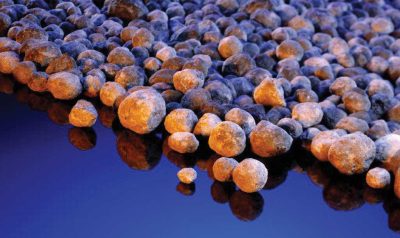
The clinker emerges from the kiln as grey, nodular granules, typically ranging in size from a few millimeters to several centimeters. The exact composition of the clinker, and therefore the proportions of the four main compounds (C3S, C2S, C3A, and C4AF), depends heavily on the initial raw mix and the specific kiln operation parameters. This careful control allows for the production of different types of clinker tailored for specific cement applications.
What is Cement? The Binder of Modern Construction
Cement, on the other hand, is the finely ground powder that results from grinding clinker with a small amount of gypsum (calcium sulfate). The grinding process increases the surface area of the clinker particles, allowing for rapid hydration when mixed with water. The addition of gypsum is crucial for controlling the setting time of the cement. Without gypsum, the C3A in clinker would react too quickly with water, leading to flash setting and hindering the development of proper strength.
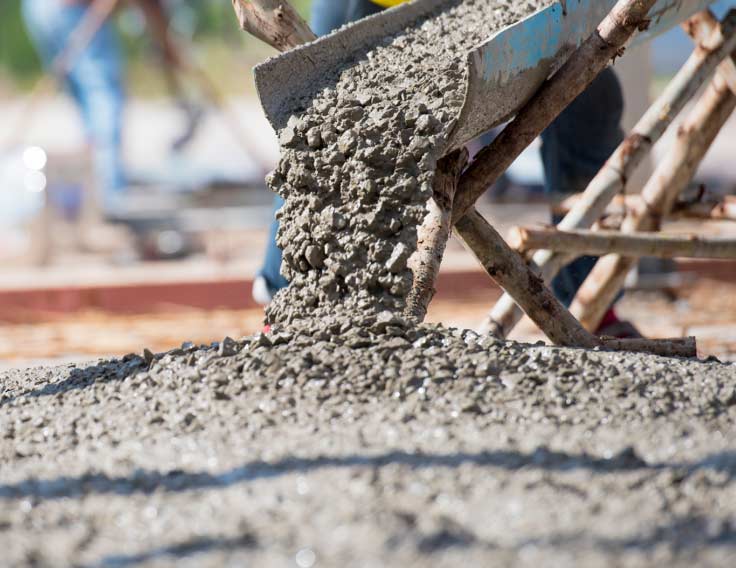
Upon hydration, the various components of cement undergo a series of chemical reactions, forming hydrated calcium silicates (C-S-H gel), calcium hydroxide (CH), and other hydration products. The C-S-H gel is the key ingredient responsible for the strength and durability of concrete. It binds the aggregate particles together, forming a strong, cohesive matrix.
Different types of cement are produced by adjusting the composition of the clinker, the amount of gypsum added, and the fineness of grinding. These different cement types are designed for specific applications, offering varying properties such as early strength gain, resistance to sulfate attack, or low heat of hydration. The most common type of cement is Portland cement, which typically comprises around 95% clinker.
Comparing Clinker and Cement: A Detailed Analysis
The key differences between clinker and cement can be summarized as follows:
- Form and Appearance: Clinker exists as hard, nodular granules, while cement is a fine, grey powder.
- Composition: Clinker consists of calcium silicates, aluminates, and ferrites, whereas cement is a mixture of ground clinker and gypsum.
- Reactivity: Clinker is relatively unreactive on its own, requiring grinding and the addition of gypsum to become reactive with water. Cement readily reacts with water to form a hardened paste.
- Function: Clinker is an intermediate product in the cement manufacturing process. Cement is the final product used as a binder in concrete.
- Applications: Clinker has no direct applications in construction. Cement is used to make concrete, mortar, and grout, which are essential for a wide range of construction projects.
- Storage: Clinker can be stored for longer periods compared to cement as it is less susceptible to hydration. Cement requires dry storage conditions to prevent premature setting.
You can use the following communication methods to contact us and receive advice:
WhatsApp: +989178446229
Mail: sales@petrorate.com

The Cement Manufacturing Process: From Quarry to Construction Site
The journey from raw materials to usable cement is a multi-stage process that can be broadly divided into the following steps:
- Quarrying and Crushing: Raw materials, primarily limestone, are extracted from quarries. These materials are then crushed into smaller pieces suitable for processing.
- Raw Mix Preparation: The crushed raw materials are carefully proportioned and ground into a fine powder. This raw mix is then homogenized to ensure a consistent chemical composition.
- Kiln Operation: The raw mix is fed into a rotary kiln, a large, rotating cylinder heated to extremely high temperatures. As the raw mix travels through the kiln, it undergoes calcination and clinkerization, transforming into clinker.
- Clinker Cooling: The hot clinker exiting the kiln is rapidly cooled to prevent the formation of undesirable crystal structures. This cooling process can also recover waste heat, improving energy efficiency.
- Cement Grinding: The cooled clinker is ground with a small amount of gypsum in a ball mill or other grinding equipment. This process reduces the clinker particles to a fine powder, increasing their surface area and reactivity.
- Cement Storage and Packaging: The finished cement is stored in silos and then packaged into bags or transported in bulk to construction sites.
Environmental Impact: Addressing the Challenges of Cement Production
Cement production is a significant contributor to global CO2 emissions. The calcination of limestone accounts for a large portion of these emissions, with the burning of fossil fuels to heat the kiln also contributing substantially. The industry is actively researching and implementing strategies to reduce its environmental footprint, including:
- Alternative Fuels: Replacing fossil fuels with biomass, waste-derived fuels, and other alternative energy sources can significantly reduce CO2 emissions.
- Carbon Capture and Storage (CCS): CCS technologies capture CO2 emissions from the cement plant and store them underground, preventing them from entering the atmosphere.
- Supplementary Cementitious Materials (SCMs): Replacing a portion of the clinker with SCMs such as fly ash, slag, and silica fume can reduce the overall CO2 emissions associated with cement production.
- Optimizing Kiln Efficiency: Improving the thermal efficiency of cement kilns can reduce the amount of fuel required, thereby lowering CO2 emissions.
- Clinker Substitutes: Research is ongoing to develop alternative binders that can replace clinker entirely, such as alkali-activated materials and geopolymers.
The Future of Cement and Clinker: Innovation and Sustainability
The cement industry is undergoing a period of significant innovation, driven by the need to reduce its environmental impact and meet the evolving demands of the construction industry. Research and development efforts are focused on:
- Lower-Clinker Cements: Developing cements with lower clinker content by incorporating higher proportions of SCMs.
- Carbon-Negative Cements: Exploring technologies to produce cements that actively remove CO2 from the atmosphere, such as carbonation of cement-based materials.
- Improved Clinker Quality: Optimizing clinker composition and manufacturing processes to enhance cement performance and durability.
- Advanced Cement Additives: Developing new additives that can improve the workability, strength, and durability of concrete.
- Digitalization and Automation: Implementing digital technologies and automation to optimize cement plant operations and improve energy efficiency.
Conclusion: Understanding the Interplay of Clinker and Cement
Clinker and cement are inextricably linked in the production of concrete, the world’s most widely used construction material. Clinker serves as the foundational building block, its carefully controlled composition dictating the properties of the final cement product. Cement, through its hydration process, provides the binding force that holds concrete together, enabling the construction of durable and resilient infrastructure.
Understanding the differences and interconnectedness of clinker and cement is crucial for professionals across the construction industry. By optimizing clinker production processes, developing innovative cement formulations, and embracing sustainable practices, the cement industry can continue to provide the essential building blocks for a growing world while minimizing its environmental impact.
As the industry continues to evolve, fueled by innovation and a commitment to sustainability, both clinker and cement will play a critical role in shaping the future of construction.