Understanding the Science Behind Petrorate’s Superior Cement and Clinker Solutions
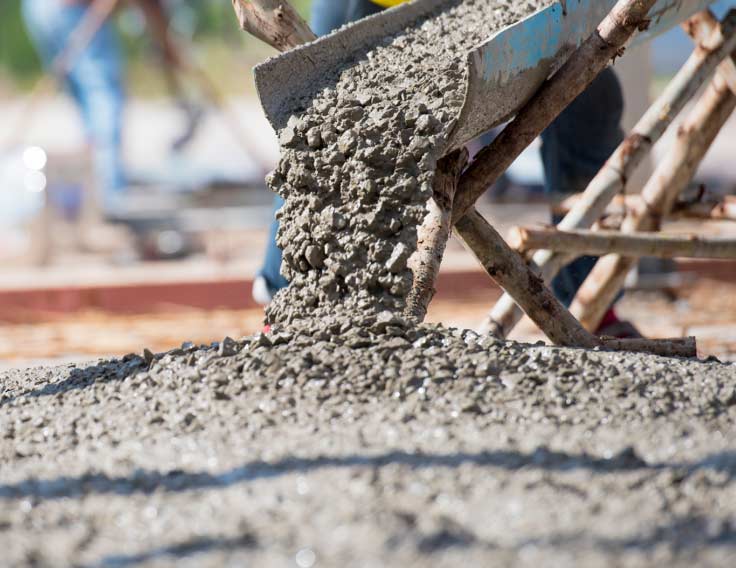
The global construction industry relies heavily on cement, a fundamental binding agent in concrete, mortar, and grout. The quality and performance of cement directly impact the durability, strength, and longevity of infrastructure projects worldwide. At Petrorate, a leading supplier of cement and clinker from Iran, we understand the critical role the cement formula plays in delivering high-quality, reliable materials to our clients.
This comprehensive overview delves into the science behind cement formulation, highlighting the key components, their interactions, and the stringent quality controls Petrorate employs to ensure consistent and superior product performance.
Decoding the Cement Formula: Essential Components and Their Roles
The term “cement formula” encompasses the carefully controlled mixture of raw materials and the precise manufacturing process that transforms them into the final cement product. The most common type of cement, Portland cement, consists primarily of the following essential components:
- Lime (CaO): Derived from limestone, chalk, or marl, lime is the predominant component of Portland cement, typically constituting around 60-67% of the mixture. It contributes significantly to the strength development of the cement paste through hydration reactions. The quality and purity of the lime source are paramount to achieving desired cement characteristics.
- Silica (SiO2): Typically sourced from clay, shale, or sand, silica comprises approximately 17-25% of the cement composition. It reacts with lime to form silicate compounds, specifically dicalcium silicate (C2S) and tricalcium silicate (C3S). These silicates are responsible for the long-term strength and durability of concrete.
- Alumina (Al2O3): Derived from bauxite, clay, or shale, alumina constitutes around 3-8% of the cement mixture. It facilitates the liquid phase formation during clinkerization, a crucial step in the cement manufacturing process. Alumina also contributes to the early strength development of cement.
- Iron Oxide (Fe2O3): Usually sourced from iron ore or other industrial by-products, iron oxide typically represents 0.5-6% of the cement composition. It also contributes to the liquid phase formation during clinkerization and imparts the characteristic grey color to Portland cement. Moreover, it can improve the clinker’s burnability, reducing energy consumption during the manufacturing process.
- Gypsum (CaSO4·2H2O): Added to the clinker after grinding, gypsum serves as a retarder, controlling the setting time of cement. Without gypsum, cement would set too rapidly, making it difficult to work with in construction applications. The optimal amount of gypsum is carefully determined to ensure proper workability and hydration kinetics.
The Clinkerization Process: Fusing Chemistry and Engineering
The manufacturing of Portland cement involves a complex process, with clinkerization being a pivotal step. This process involves heating a finely ground mixture of the aforementioned raw materials in a rotary kiln at temperatures reaching approximately 1450°C (2642°F). At these elevated temperatures, the raw materials undergo a series of chemical reactions, forming the characteristic compounds of clinker:
- Tricalcium Silicate (C3S): The most important compound in Portland cement, C3S is responsible for the early strength development of concrete. Higher C3S content typically leads to faster setting and increased early strength.
- Dicalcium Silicate (C2S): C2S hydrates more slowly than C3S, contributing to the long-term strength development of concrete. It also improves the cement’s resistance to chemical attack.
- Tricalcium Aluminate (C3A): This compound hydrates rapidly, releasing a significant amount of heat. While it contributes to early strength development, excessive C3A content can lead to rapid setting and decreased sulfate resistance.
- Tetracalcium Aluminoferrite (C4AF): This compound hydrates slowly and contributes minimally to strength development. However, it aids in the clinker formation process and reduces the temperature required for clinkerization.
The resulting clinker is then cooled and ground with gypsum to produce the final cement product. The precise control of the clinkerization process, including temperature, retention time, and kiln atmosphere, is crucial for achieving optimal clinker quality and desired cement properties.
Are you looking for a reliable supplier of high-quality cement and clinker from Iran?
Petrorate offers a wide range of cement types to meet your specific construction needs. Contact us today to discuss your project requirements and request a quote.
You can use the following communication methods to contact us and receive advice:
WhatsApp: +989178446229
Mail: sales@petrorate.com

Petrorate’s Commitment to Quality: Ensuring Consistent Cement Formula
At Petrorate, we recognize that the “cement formula” is not merely a theoretical concept but a practical reality that directly impacts the performance and reliability of our products. We are committed to maintaining strict quality control measures throughout the entire cement manufacturing process, from raw material selection to final product testing.
- Rigorous Raw Material Selection: We source our raw materials from reputable suppliers who adhere to stringent quality standards. We conduct thorough testing to ensure the purity and composition of each raw material, guaranteeing the optimal balance of components in our cement formula.
- Precise Proportioning and Mixing: Our state-of-the-art facilities are equipped with advanced technology for precise proportioning and mixing of raw materials. This ensures a homogenous mixture with the desired chemical composition, contributing to consistent clinker quality.
- Optimized Clinkerization Process: Our rotary kilns are operated under carefully controlled conditions, with continuous monitoring of temperature, pressure, and kiln atmosphere. This optimization ensures complete reaction of the raw materials and the formation of high-quality clinker with the desired mineralogical composition.
- Stringent Quality Control Testing: We conduct extensive quality control testing at every stage of the manufacturing process. This includes chemical analysis, physical testing, and microscopic examination to ensure that our cement meets or exceeds all applicable industry standards, including ASTM and EN specifications.
- Continuous Improvement: We are committed to continuous improvement in our processes and technologies. We invest in research and development to optimize our cement formula and enhance the performance characteristics of our products.
Cement Types Available:
Petrorate offers a comprehensive range of cement types, each formulated for specific applications and performance requirements. These include:
- Ordinary Portland Cement (OPC): Suitable for general construction purposes.
- Sulphate Resisting Portland Cement (SRPC): Designed for use in environments with high sulfate concentrations, such as marine structures and wastewater treatment plants.
- Low Heat Portland Cement (LHPC): Ideal for mass concrete applications, such as dams and foundations, where minimizing heat generation is crucial.
- Portland Pozzolana Cement (PPC): A blended cement that incorporates pozzolanic materials, such as fly ash or volcanic ash, enhancing its durability and resistance to chemical attack.
Explore the full range of Petrorat cementitious products and find the right solution for your next construction project.
For detailed specifications and applications, download our company profile.
You can use the following communication methods to contact us and receive advice:
WhatsApp: +989178446229
Mail: sales@petrorate.com
Conclusion:
The “cement formula” represents the intricate science behind the production of this vital construction material. At Petrorate, we understand the importance of precision, quality control, and continuous improvement in achieving optimal cement performance. By meticulously managing every aspect of the manufacturing process, from raw material selection to final product testing, we ensure that our customers receive consistent, high-quality cement and clinker solutions that meet their most demanding requirements.
Partner with Petrorate and experience the difference of superior cement quality and reliable supply. We are committed to building a stronger future, one project at a time.