
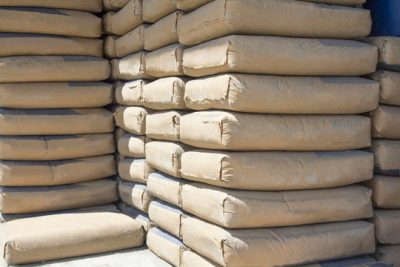
A Comprehensive Guide to Types, Uses, Handling, and Purchasing from Petrorate
Cement, the fundamental binding agent in construction, is typically packaged and distributed in bags for ease of handling, transportation, and storage. Understanding the nuances of cement bags – their types, sizes, optimal handling practices, and the importance of sourcing from reliable suppliers like Petrorate – is crucial for ensuring project success and cost-effectiveness.
This guide offers a detailed overview of cement bags, empowering you to make informed decisions and leverage the quality and service provided by Petrorate for your cement requirements.
The Importance of High-Quality Cement Bags:
While the quality of the cement itself is paramount, the bag in which it is packaged plays a vital role in preserving that quality and ensuring its integrity until it reaches the construction site. A well-designed and manufactured cement bag:
- Protects Against Moisture: Cement is highly susceptible to hydration, which leads to premature hardening and reduces its binding strength. A waterproof or moisture-resistant bag is essential to prevent this.
- Prevents Cement Loss: A durable bag minimizes the risk of tearing or breakage during handling and transportation, reducing cement loss and associated costs.
- Facilitates Easy Handling: The bag’s design, weight, and material contribute to ease of handling, loading, and unloading, improving efficiency on the construction site.
- Provides Clear Information: The bag should clearly display essential information such as the cement type, manufacturer, weight, production date, and relevant certifications, ensuring traceability and quality assurance.
Types of Cement Bags:
Cement bags are primarily classified based on the material used in their construction. The most common types include:
- Paper Cement Bags: These are the most widely used type, typically constructed from multiple layers of kraft paper, often treated with a moisture-resistant coating. They are relatively lightweight, cost-effective, and offer good printability for branding and information. Different variations exist, including:
- Sewn Open Mouth (SOM) Bags: The classic design with a sewn closure.
- Pinch Bottom Open Mouth (PBOM) Bags: Features a stepped end that is closed using hot melt adhesive, providing a stronger and neater seal.
- Valve Bags: Filled through a valve, these bags are self-closing and offer improved stacking stability.
- Polypropylene (PP) Woven Bags: Made from woven polypropylene fabric, these bags are significantly stronger and more durable than paper bags. They offer excellent resistance to tearing, moisture, and UV degradation, making them suitable for challenging environmental conditions and long-distance transportation.
- Laminated PP Woven Bags: Feature an additional layer of lamination for enhanced moisture protection and print quality.
- BOPP Laminated PP Woven Bags: Biaxially Oriented Polypropylene (BOPP) lamination provides superior print quality and visual appeal, ideal for branding and marketing purposes.
- Polyethylene (PE) Bags: Made from polyethylene film, these bags offer excellent moisture barrier properties and are often used for specialized applications where complete protection from humidity is critical. They are generally less common due to their higher cost.
Standard Cement Bag Sizes and Weights:
The standard weight of a cement bag varies depending on the region and country. It’s crucial to confirm the specific weight with your supplier. However, some common standards include:
- 50 kg (110 lbs): This is the most prevalent standard globally.
- 42.5 kg (94 lbs): Often found in the United States, equivalent to one cubic foot.
- 25 kg (55 lbs): Used in some European countries and for smaller projects.
The dimensions of cement bags also vary depending on the weight and manufacturer, but they are generally designed for efficient palletization and handling.
Proper Handling and Storage of Cement Bags:
Even the highest quality cement will degrade if not handled and stored correctly. Here are some best practices:
- Transportation: Transport cement bags in covered vehicles to protect them from rain and direct sunlight.
- Unloading: Handle bags carefully to avoid tearing or puncturing. Use proper lifting techniques to prevent injuries.
- Storage:
- Store cement bags in a dry, well-ventilated area, away from direct sunlight and moisture.
- Elevate the bags off the ground on pallets or wooden planks to prevent moisture absorption from the floor.
- Stack bags neatly and securely to prevent them from collapsing. Limit the stacking height to prevent pressure-induced hardening of the cement at the bottom of the stack.
- Implement a “first-in, first-out” (FIFO) system to use older bags before newer ones, minimizing the risk of cement deterioration.
- Inspection: Regularly inspect stored bags for any signs of damage, such as tears, punctures, or moisture penetration. Discard any damaged bags to prevent the use of compromised cement.
Factors to Consider When Choosing Cement Bags:
Selecting the right type of cement bag depends on several factors, including:
- Cement Type: Different cement types (e.g., Ordinary Portland Cement (OPC), Portland Pozzolana Cement (PPC)) may require different levels of moisture protection.
- Transportation Distance: Longer transportation distances and rougher handling conditions necessitate stronger and more durable bags.
- Storage Conditions: If storage conditions are humid or exposed to the elements, moisture-resistant bags are essential.
- Cost: Balance the cost of the bag with the required level of protection and durability. Consider the potential cost savings from preventing cement loss and spoilage.
- Environmental Considerations: Explore eco-friendly options such as recyclable or biodegradable bags.
Why Choose Petrorate for Your Cement Needs?
At Petrorate, we understand the critical importance of quality cement and reliable packaging. We offer a comprehensive range of cement products packaged in high-quality bags that meet the most stringent industry standards. Here’s why Petrorate is your ideal partner for cement supply:
- Premium Quality Cement: We source our cement from reputable manufacturers known for their consistent quality and adherence to international standards. Our cement undergoes rigorous testing to ensure it meets the required strength, setting time, and other critical performance characteristics.
- Durable and Reliable Packaging: We use only high-quality bags, carefully selected to provide optimal protection against moisture, tearing, and other forms of damage. We offer a variety of bag types to suit your specific needs and environmental conditions.
- Competitive Pricing: We offer competitive pricing on our cement products, ensuring you get the best value for your money.
- Timely and Efficient Delivery: We have a robust logistics network that enables us to deliver cement to your construction site quickly and efficiently, minimizing delays and ensuring project timelines are met.
- Exceptional Customer Service: Our dedicated customer service team is available to answer your questions, provide technical support, and assist you with your cement procurement needs. We are committed to building long-term relationships with our customers based on trust and mutual success.
- Sustainable Practices: Petrorate is committed to sustainable practices. We are actively exploring and implementing eco-friendly packaging options and working to reduce our environmental footprint.
Secure Your Cement Supply with Petrorate Today!
Don’t compromise on the quality of your cement or the reliability of your supply. Contact Petrorate today to discuss your cement requirements and learn how we can help you achieve your construction goals.
WhatsApp: +989178446229
Mail: sales@petrorate.com

Benefits of Contacting Petrorate:
- Get a competitive quote tailored to your specific needs.
- Receive expert advice on choosing the right cement type and packaging for your project.
- Ensure a reliable and timely supply of high-quality cement.
- Experience exceptional customer service and support.
Investing in quality cement and reliable packaging is an investment in the success of your project.
Choose Petrorate – your trusted partner for cement supply.