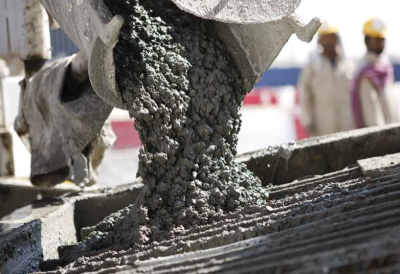
Limestone and Cement: The Foundation of Modern Construction
Limestone and cement are intrinsically linked, representing a cornerstone of modern construction. Understanding their relationship, composition, and applications is crucial for anyone involved in the building industry, from architects and engineers to contractors and developers.
This comprehensive overview will delve into the properties of limestone, its role in cement production, the diverse types of cement available, and ultimately, highlight the superior quality and reliability of cement solutions offered by PetroRate.
Limestone: The Bedrock of Cement Production
Limestone is a sedimentary rock primarily composed of calcium carbonate (CaCO3). Formed over millions of years from the accumulation of marine organisms, particularly shells and skeletons, limestone is found abundantly across the globe. Its accessibility and relatively low cost make it an ideal raw material for a wide range of industrial applications, most notably in the production of cement.
The chemical purity of limestone is a critical factor in determining the quality of the final cement product. High-quality limestone for cement production should contain a high percentage of calcium carbonate and minimal amounts of impurities like silica, alumina, iron oxide, and magnesium carbonate. These impurities, while not necessarily detrimental in all cases, can affect the cement’s setting time, strength, and durability.
Beyond its chemical composition, the physical properties of limestone are also important. Hardness, porosity, and grain size can influence the crushing and grinding processes required for cement manufacturing. Quarries are carefully selected based on the quality and accessibility of the limestone deposits.
Cement: A Powder of Binding Strength
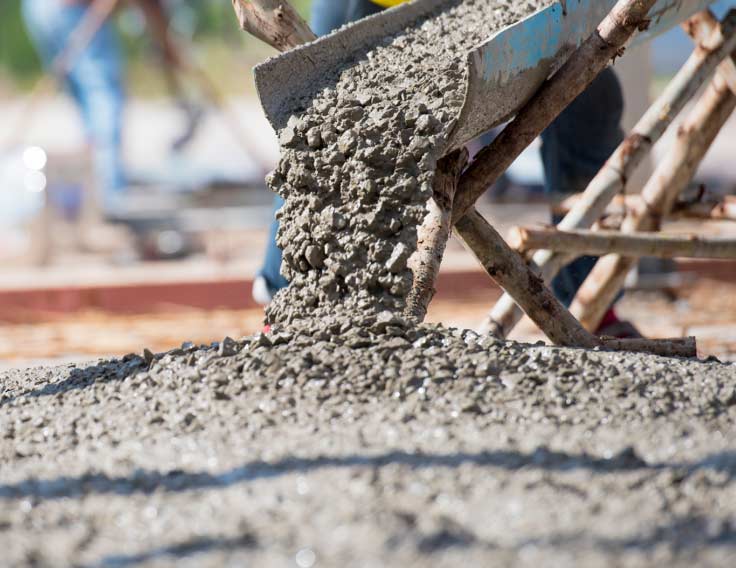
Cement, in its most basic definition, is a binder, a substance that sets and hardens independently and can bind other materials together. The most common type of cement used in construction is Portland cement, named for its resemblance to Portland stone, a building stone quarried in England.
The manufacturing process of Portland cement involves several key steps:
- Quarrying and Crushing: Limestone, along with other raw materials like clay, shale, or sand (sources of silica, alumina, and iron oxide), is quarried and crushed into smaller pieces.
- Grinding and Mixing: The crushed materials are then finely ground and mixed together in precise proportions. This mixture, known as raw meal, is carefully controlled to achieve the desired chemical composition.
- Kiln Burning (Clinkering): The raw meal is fed into a rotary kiln, a massive rotating furnace heated to temperatures exceeding 1450°C (2642°F). At these extreme temperatures, a series of complex chemical reactions occur, transforming the raw meal into a hard, nodular material called clinker. The principal chemical compounds formed during clinkering are:
- Tricalcium silicate (C3S): Responsible for early strength development.
- Dicalcium silicate (C2S): Contributes to long-term strength gain.
- Tricalcium aluminate (C3A): Reacts rapidly with water and contributes to initial setting, but can also generate excessive heat and reduce sulfate resistance.
- Tetracalcium aluminoferrite (C4AF): Contributes to color and facilitates the formation of C3S.
- Grinding and Gypsum Addition: The clinker is cooled and then ground into a fine powder. A small amount of gypsum (calcium sulfate) is added during grinding to regulate the setting time of the cement by controlling the hydration of C3A.
- Packaging and Distribution: The finished cement is then packaged and distributed to construction sites and retailers.
You can use the following communication methods to contact us and receive advice:
WhatsApp: +989178446229
Mail: sales@petrorate.com

Types of Cement: Tailoring to Specific Needs
While Portland cement is the most widely used, various types of cement are available to meet specific construction requirements. These include:
- Ordinary Portland Cement (OPC): The most common type, suitable for general construction purposes. Different grades of OPC (e.g., 33, 43, and 53) are available, indicating their compressive strength after 28 days of curing.
- Rapid Hardening Cement: Achieves high early strength, allowing for faster construction cycles.
- Low Heat Cement: Generates less heat during hydration, reducing the risk of thermal cracking in massive concrete structures like dams.
- Sulfate Resisting Cement (SRC): Resistant to sulfate attack, making it suitable for use in marine environments and areas with sulfate-rich soils.
- Pozzolanic Cement: Contains pozzolanic materials (e.g., fly ash, volcanic ash, silica fume) that react with calcium hydroxide released during cement hydration to form additional cementitious compounds, improving strength and durability.
- White Cement: Made from raw materials with low iron content, resulting in a white color, often used for architectural purposes and decorative applications.
The Interplay: Limestone’s Influence on Cement Quality
The characteristics of the limestone used in cement production directly impact the final product’s quality and performance. For instance:
- Alkali Content: High alkali content in limestone can lead to alkali-silica reaction (ASR) in concrete, causing expansion and cracking.
- Magnesium Content: Excessive magnesium carbonate in limestone can result in delayed expansion and reduced durability of cement.
- Organic Matter: Organic matter in limestone can interfere with cement hydration and reduce strength.
Therefore, rigorous quality control measures are essential to ensure that the limestone used for cement production meets the required standards.
PetroRate: Your Partner for Superior Cement Solutions
In a demanding construction landscape where quality, reliability, and performance are paramount, choosing the right cement supplier is crucial. PetroRate stands out as a trusted provider of high-quality cement, meticulously manufactured using premium limestone and advanced production processes.
Why Choose PetroRate Cement?
- Superior Quality: PetroRate cement is manufactured using carefully selected limestone with optimal chemical and physical properties. Our rigorous quality control measures ensure consistent performance and adherence to international standards.
- Reliable Performance: Our cement products deliver exceptional strength, durability, and resistance to environmental factors, ensuring the longevity and integrity of your construction projects.
- Wide Range of Options: PetroRate offers a diverse portfolio of cement types, including OPC, rapid hardening cement, sulfate resisting cement, and pozzolanic cement, tailored to meet the specific requirements of various applications.
- Competitive Pricing: We provide cost-effective solutions without compromising on quality, offering excellent value for your investment.
- Dedicated Support: Our team of experts provides comprehensive technical support and guidance to assist you in selecting the right cement for your project and ensuring optimal performance.
Build a Stronger Future with PetroRate
Don’t compromise on the foundation of your construction projects. Choose PetroRate cement and experience the difference in quality, performance, and reliability.
Contact us today to discuss your cement requirements and discover how PetroRate can help you build a stronger, more sustainable future.
WhatsApp: +989178446229
Mail: sales@petrorate.com
Let PetroRate be your trusted partner in building excellence. Order your cement from us now and experience the PetroRate advantage.