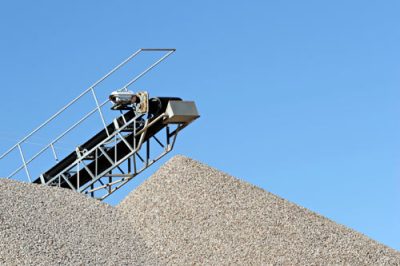
Cement, the ubiquitous binding agent in modern construction, owes its strength and durability to a complex manufacturing process culminating in the creation of a crucial intermediate product: clinker. While the final cement product is a finely ground powder containing various additives, understanding the role of clinker is paramount to appreciating the science behind cement’s remarkable properties. This essay will delve into the reasons why clinker is used in cement, exploring its formation process, its chemical composition, its contribution to cement hydration and strength development, and the overall advantages it offers over alternative approaches to binder production.
The Genesis of Clinker: A High-Temperature Transformation
Clinker is not a naturally occurring material; it is a synthetic granular substance produced through the pyroprocessing of a carefully proportioned mixture of raw materials, primarily limestone (calcium carbonate), clay, and smaller amounts of other materials like iron ore, bauxite, and silica sand. These raw materials are first crushed and ground into a fine powder, often called “raw meal” or “feed.”
This mixture is then heated to extremely high temperatures, typically ranging from 1400 to 1500 degrees Celsius (2550 to 2730 degrees Fahrenheit), within a rotary kiln. This intense heat initiates a series of complex chemical reactions, transforming the raw meal into a molten mixture which subsequently cools and solidifies into hard, nodular lumps – clinker.
The high temperature is absolutely crucial for several key transformations to occur:
- Calcination: The initial phase involves the decomposition of calcium carbonate (CaCO3) in the limestone into calcium oxide (CaO) and carbon dioxide (CO2). This process, known as calcination, is endothermic, requiring substantial energy input to drive the reaction forward. The released carbon dioxide is a significant environmental concern, driving research into alternative clinker production methods.
- Sintering and Fusion: Following calcination, the calcium oxide reacts with the silica, alumina, and iron oxide present in the clay and other raw materials. At these high temperatures, a partial melting or sintering process occurs, causing the particles to fuse together and form new calcium silicate compounds. This is where the key hydraulic minerals that give cement its binding properties are created.
- Formation of Hydraulic Minerals: The most critical reactions involve the formation of calcium silicates, namely tricalcium silicate (C3S, alite) and dicalcium silicate (C2S, belite). These are the primary constituents responsible for the hydration and strength development of cement. Minor amounts of other phases, such as tricalcium aluminate (C3A) and tetracalcium aluminoferrite (C4AF), are also formed, contributing to the early-stage properties of the cement.
The controlled heating and cooling process within the rotary kiln is meticulously managed to ensure the optimal formation of these hydraulic minerals and to achieve the desired crystalline structure within the clinker nodules. The resulting clinker is typically cooled rapidly to prevent the formation of less desirable crystal structures that could compromise its reactivity.
The Chemical Composition of Clinker: A Recipe for Strength
The chemical composition of clinker is the foundation of its hydraulic properties. The four primary phases present, typically expressed as oxide percentages, are:
- Tricalcium Silicate (C3S, Alite): This is the most abundant phase, typically comprising 50-70% of clinker. It hydrates rapidly, contributing significantly to early strength development (within the first week). Its rapid hydration also generates considerable heat, which can be advantageous in cold weather but needs to be managed in massive concrete structures.
- Dicalcium Silicate (C2S, Belite): Typically constituting 15-30% of clinker, C2S hydrates much more slowly than C3S. Its hydration contributes to long-term strength development, typically after 7 days. While its early contribution is minimal, it provides sustained strength gain and contributes to the durability of the cement.
- Tricalcium Aluminate (C3A): Usually comprising 5-12% of clinker, C3A hydrates extremely rapidly and generates a large amount of heat. This rapid hydration can lead to flash setting (undesirable premature hardening). To control this, gypsum (calcium sulfate dihydrate) is added to the clinker during grinding, retarding the hydration of C3A and allowing for a workable cement paste.
- Tetracalcium Aluminoferrite (C4AF): Typically constituting 5-15% of clinker, C4AF hydrates relatively slowly and contributes modestly to strength development. Its primary role is in facilitating the formation of the other phases during clinker production and providing color to the cement.
The precise proportions of these phases, along with the presence of minor oxides and impurities, are carefully controlled during the clinker manufacturing process to achieve specific performance characteristics in the final cement product. Variations in the raw materials and kiln conditions can significantly alter the clinker’s composition and, consequently, the properties of the resulting cement.
You can use the following communication methods to contact us and receive advice:
WhatsApp: +989178446229
Mail: sales@petrorate.com

Clinker’s Contribution to Cement Hydration and Strength Development
The true magic of cement lies in the hydration process, where the clinker minerals react with water to form a hardened matrix that binds together aggregates like sand and gravel. This process is complex and involves a series of chemical reactions, resulting in the formation of various hydration products.
- Hydration of Calcium Silicates: The hydration of C3S and C2S is the key to cement’s binding properties. When water is added to cement, these minerals react to form calcium silicate hydrate (C-S-H) and calcium hydroxide (CH, also known as portlandite). C-S-H is the glue that holds the concrete matrix together, providing strength and durability. C3S hydrates faster and contributes to early strength, while C2S hydrates slower and contributes to long-term strength.
- Hydration of Aluminate Phases: As mentioned earlier, C3A hydrates rapidly, and its hydration is controlled by the addition of gypsum. The gypsum reacts with C3A to form ettringite, a hydrated calcium sulfoaluminate. Ettringite initially precipitates and coats the C3A grains, preventing rapid hydration. Over time, ettringite can undergo further reactions, influencing the long-term properties of the cement paste.
- Microstructural Development: The hydration products formed during the cement hydration process create a complex microstructure. C-S-H forms as a gel-like substance that fills the spaces between the unhydrated cement grains and the aggregate particles. The crystal growth of C-S-H and other hydration products leads to the development of a dense and interlocking network, providing the strength and stiffness of the hardened cement paste.
The quality of the clinker directly impacts the efficiency and effectiveness of the hydration process. Well-formed clinker with the desired phase composition and crystalline structure will hydrate more readily, leading to a denser and stronger cement paste.
Advantages of Using Clinker Over Alternative Binder Approaches
While other materials can exhibit binding properties, clinker offers several distinct advantages that have cemented its dominance in the construction industry:
- Strength and Durability: Cement based on clinker provides unparalleled strength and durability compared to many alternative binders. The controlled composition and high-temperature processing of clinker lead to the formation of robust hydraulic minerals that impart exceptional long-term performance.
- Versatility: Cement produced from clinker can be tailored to specific applications by adjusting the clinker composition and adding supplementary cementitious materials (SCMs) such as fly ash, slag, and silica fume. This versatility allows for the creation of cements with specific properties, such as high early strength, low heat of hydration, or resistance to sulfate attack.
- Cost-Effectiveness: Despite the energy-intensive production process, clinker-based cement remains relatively cost-effective due to the abundance of raw materials and the well-established manufacturing infrastructure. The long service life of concrete structures built with clinker-based cement also contributes to its overall economic viability.
- Established Technology: The technology for producing clinker and cement is well-established and continuously improving. Decades of research and development have led to optimized production processes, improved cement performance, and reduced environmental impact.
- Scalability: The clinker production process can be scaled to meet the demands of large-scale construction projects. Modern cement plants are capable of producing millions of tons of clinker annually, ensuring a reliable supply of cement for infrastructure development.
Conclusion: The Indispensable Role of Clinker
In conclusion, clinker plays an indispensable role in the production of cement, serving as the key intermediate product that imparts the necessary hydraulic properties. The high-temperature processing of raw materials transforms them into a complex mixture of calcium silicates, aluminates, and ferrites, which react with water to form a hardened matrix.
Clinker offers a unique combination of strength, durability, versatility, and cost-effectiveness, making it the dominant binding agent in the construction industry. While the environmental impact of clinker production is a significant concern, ongoing research and development efforts are focused on reducing carbon emissions and promoting the use of alternative supplementary cementitious materials to create more sustainable cement formulations.
The continued understanding and optimization of clinker production are essential for ensuring the future of durable and resilient infrastructure worldwide. As research continues to uncover more nuanced understanding of clinker chemistry and its interaction with various SCMs, the properties of cement and concrete can be further tailored and optimized for even more demanding applications.